The Lost Wax Casting Process Explained
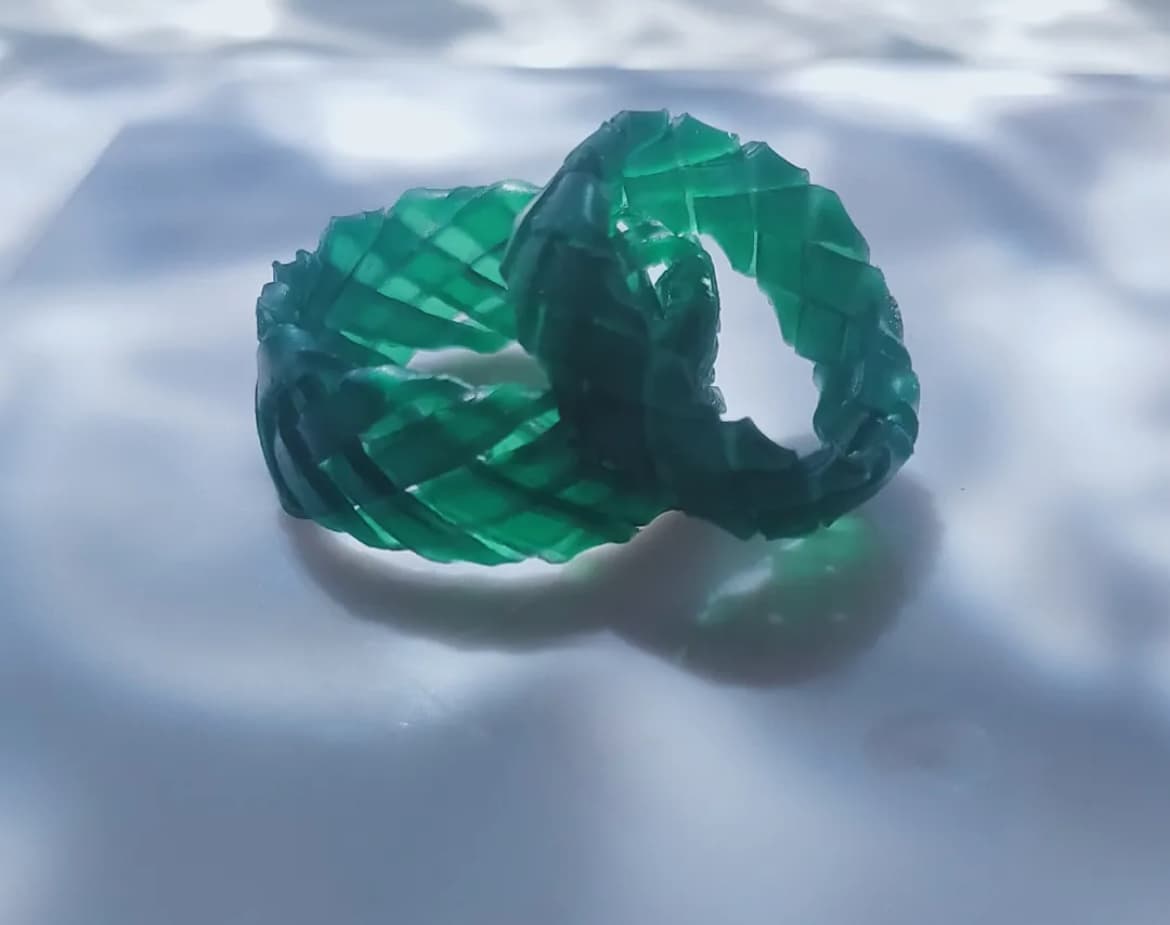
Every piece of jewellery has a journey.
Before a ring or pendant is held in someone's hands, it begins as an idea - a sketch, a shape, or a feeling that slowly becomes something tangible.
For many of my pieces, that journey involves a process called lost wax casting.
Lost wax casting is an ancient jewellery-making technique that has been used for thousands of years. While the tools and technology have evolved, the basic idea remains the same: create a wax model of the piece, use that model to create a mould, and then replace the wax with precious metal.
Creating the Wax Model
The process begins with wax.
Depending on the design, the wax may be carved by hand, shaped, woven, or created from a digital model. Wax is a beautiful material to work with because it allows intricate details to be captured before the piece becomes permanent.
For my jewellery, this is where many of the ideas and details come to life.
Every small adjustment matters. A slight change in a curve, thickness, or texture can completely change how a piece feels when it is worn.
Creating the Mould
Once the wax model is complete, it is prepared for casting.
The wax piece is placed into a casting flask and surrounded by a special investment material. This creates a strong mould around the wax.
The flask is then heated, which melts and removes the wax from inside. This leaves behind a perfect cavity in the shape of the original design.
This is where the name "lost wax" comes from - the wax is lost during the process, leaving behind the space where the metal will be poured.
Casting the Metal
The chosen metal, such as sterling silver or bronze, is melted at high temperatures and carefully poured into the empty mould.
Once cooled, the investment material is removed, revealing the newly cast piece of jewellery.
At this stage, the piece is still rough. It may have casting marks, sprues (small pieces of metal used during casting), and surfaces that need refining.
Finishing by Hand
The final stage is where the jewellery truly comes together.
Each piece is cleaned, filed, sanded, polished, and carefully inspected. This process brings out the details and transforms a raw casting into a finished piece ready to wear.
Although technology can help with parts of the design process, there is still a human touch throughout every stage. The decisions made along the way - the shape, the details, the finish - are what give each piece its character.
Why This Process Matters
For me, lost wax casting is a beautiful balance between old and new.
It connects ancient jewellery-making traditions with modern tools and ideas. It allows me to take inspiration from whenua, whakapapa, and patterns found in nature and transform them into something that can be carried with someone every day.
A piece of jewellery may look simple when it is finished, but behind it is a long journey of designing, refining, making, and care.
That journey is part of the story.
And that story is what makes each piece meaningful.